
low-volume circuit board assembly
The production of a circuit board involves multiple phases, including design, manufacturing, and testing. A low-volume PCB run can be beneficial to a company or individual looking to test a new product before committing to a larger production run. This is because it gives them the flexibility to make changes to a design before going into mass production, which is helpful for improving and perfecting a product. This process also allows for a higher level of quality control.
The key to a successful circuit board assembly is stringent, consistent quality control. When working with a low volume, it’s important to find a service provider that prioritizes this aspect of the process. They should have the experience and expertise to ensure every piece meets their high-quality standards. They should also have a wide range of components to avoid delays if a particular part becomes unavailable. They can work with you to source a substitute or even create a custom piece to meet your specific needs.
In addition to the rigorous inspection and testing that goes into a low-volume production, it’s essential for a PCB manufacturer to utilize the most up-to-date technology. This can help reduce the time it takes to produce a single PCB and increase overall efficiency. The use of automated equipment, for example, can expedite the production process by reducing the number of steps that go into producing each unit. It’s also crucial to use the most current tools for laying out the circuit board and soldering in place. This ensures that the finished product will be both safe and reliable.
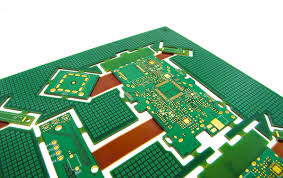
What is low-volume circuit board assembly?
A final benefit of low-volume production is that it’s often less expensive than mass production. This is because there’s usually less waste and fewer materials required for each unit. It’s also easier to keep costs down by selecting a simple layout and using standard components. This can also help with speeding up the production process and getting a product to market faster.
Ultimately, the key to success with low-volume production is to partner with a trusted and experienced PCB assembly service provider. They should have a proven track record of providing high-quality products at competitive prices with flexible payment options. They should also offer comprehensive DFM services to help reduce errors and keep costs and turnaround times down. This will ensure your product meets all of your requirements and will be ready for the marketplace.
If you are considering a low-volume circuit board assembly project, it’s best to choose a provider that offers both turnkey and kitted services. With turnkey, the service provider handles all the sourcing and assembly, while with kitted, you supply your own parts. Both options can save you time and money, so it’s a good idea to do some research and determine which is right for you. Then, you can be confident that your product will be produced to the highest standards.