
Flex PCBs Improve the Durability of Electronic Devices
The flex circuit is one of the most essential parts in the production of modern electronic devices, with its flexibility and durability helping to improve the performance and reliability of electronics. These circuit boards are used in a wide range of consumer and industrial products, including laptop computers, tablets, mobile phones, wearable technology, and more. The flex circuit is also a popular choice for aerospace applications, as it can be bent and shaped to fit the interior of vehicles and spacecraft.
The first benefit of the flex PCB is its ability to withstand bending, vibrations, and shocks better than rigid circuit boards. The flexible design of the flex PCB also allows it to accommodate irregular shapes that would be difficult or impossible to create with rigid PCBs. The flex PCB is designed to withstand up to 500 million flex cycles, making it a durable and reliable option for even the most demanding applications.
In addition to being able to withstand harsh environments, the flex circuit board can also reduce assembly costs by eliminating the need for connectors and by reducing the number of solder joints. This can help to lower the cost of manufacturing, which will ultimately reduce the price of the final product.
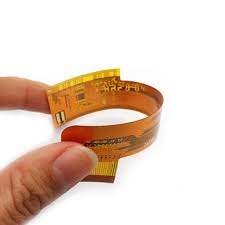
How Do Flex PCBs Improve the Durability of Electronic Devices?
Another benefit of the flex circuit board is its low weight and thickness, which can save space in the final product and decrease the overall size of the device. This can be especially useful for portable electronic devices, which need to keep their size down while still providing adequate functionality. The flex circuit board can also be made with low-cost materials, such as Polyimide or Polyester, which are much cheaper than traditional copper foils used in rigid PCBs.
The conductive path in a flex circuit is etched in the same way as a rigid PCB, with the exception that the trace is not plated. There are a variety of conductors available for use in the etching process, but copper is commonly used due to its excellent balance of cost and physical and electrical characteristics.
There are a few special options that can be added to the flex pcb production in order to enhance its durability or protect it from electromagnetic interference (EMI). One of these is to add what is called a stiffener, which is a layer of rigid material – usually FR4 – that is laminated to selected areas of the flex circuit board. PCBWay can also do an electrical test on the flex circuit to ensure that nothing went wrong during the manufacturing process, which will increase the cost a little.
In addition, PCBWay can add a protective film to the flex circuit board to prevent damage during shipping or handling. This is not only a safety precaution, but it will also make the flex circuit board more durable and increase its lifespan. We can also add adhesive tape to selected areas of the flex circuit, which will allow it to be stuck to something, again, increasing the cost.