reuse a PCB prototype design
Reusing a PCB prototype design can be a highly efficient and cost-effective approach in the development of electronic products. Once a PCB prototype is designed and tested, the core design can often be reused for future iterations of the product or similar projects, saving both time and resources. However, whether or not a PCB prototype design can be reused depends on several factors, including the complexity of the design, the purpose of the prototype, and the changes required for the new application.
One of the primary reasons to reuse a PCB prototype design is to expedite the development process. If a prototype has already been tested and verified to meet the necessary performance standards, reusing the design can eliminate the need for a complete redesign. This can be particularly useful for projects that share similar functionalities or for products that are based on a well-established architecture. By reusing an existing PCB prototype design, engineers can focus on other aspects of the project, such as software development, component selection, or finalizing the enclosure design, without having to spend additional time on the PCB design itself.
However, while reusing a PCB prototype design can offer significant time savings, it’s important to assess whether the design is still suitable for the new application. Over time, technology and product requirements evolve, and a PCB prototype design that was initially created for one purpose may no longer be appropriate for another. For instance, if the new product requires different components, additional functionality, or improved performance, modifications to the PCB prototype design may be necessary.
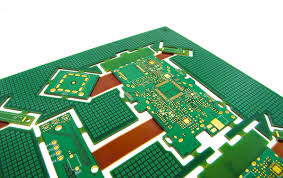
Can I reuse a PCB prototype design?
The reuse of a PCB design often involves updating the design files to accommodate these changes, such as adjusting component footprints, modifying signal traces, or reconfiguring power distribution networks. In some cases, the design may need to be significantly altered, which can negate the benefits of reusing the prototype.
Another consideration when reusing a pcb prototype design is the potential for component obsolescence. Electronic components can become obsolete or unavailable over time, especially in rapidly advancing technologies. If the PCB prototype design relies on specific components that are no longer in production or are difficult to source, the design may need to be updated to incorporate newer, more readily available components. This can involve reworking the layout and revising the bill of materials (BOM) to reflect the changes, which may require additional design work.
Environmental factors and industry standards can also impact the reuse of a PCB prototype design. If the design was originally created to meet specific regulatory requirements or to function in particular environmental conditions, such as temperature or humidity extremes, these factors may change for future projects. It’s important to ensure that the PCB prototype design continues to meet the required standards and will function properly in the new application.
Another challenge of reusing a PCB prototype design is the manufacturing process. Different manufacturers may have different capabilities and tolerances, which could affect how the prototype is fabricated. The original design might need adjustments to accommodate variations in the manufacturing process, especially if it was created for a specific manufacturer’s capabilities. Additionally, advances in PCB manufacturing techniques, such as smaller trace widths, tighter tolerances, or new materials, may offer the opportunity to improve the design or reduce production costs.
In some cases, reusing a PCB prototype design may not be feasible due to the complexity of the design or the need for significant changes. However, for simpler designs or when the core requirements remain the same, reusing a PCB prototype design can be a practical and efficient strategy. By carefully evaluating the design and considering the potential need for updates, engineers can make informed decisions about whether to reuse a PCB prototype design or start from scratch.