
role of copper thickness in flex circuit
Copper plays a critical role in a flex circuit, as it determines the current carrying capacity of the PCB and impacts properties like impedance and thermal performance. It is therefore important for both the designer and flex fabricator to have a good understanding of how copper thickness will impact the final flex circuit.
Traditionally, metal foil has been the standard conductive element used in flexible laminates. It offers an excellent balance of cost and physical and electrical performance. However, it is not the only conductive material that can be used to create a flex circuit. In fact, a wide variety of different materials can be used to fabricate flexible circuits, including copper-free substrates and copper-filled epoxy. However, copper foils still serve the majority of flex circuit applications due to their cost and performance attributes.
When designing a flexible circuit board, copper thickness will depend on the specific application requirements. For example, higher current applications will require thicker copper layers to ensure that they can safely carry the load without overheating or causing electromigration problems. Additionally, a careful thermal analysis should be performed to ensure that the copper layer will be able to dissipate heat generated by active components and avoid hotspots or excessive temperature rise.
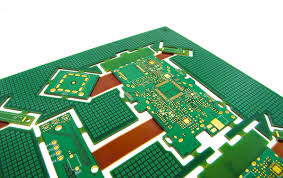
What is the role of copper thickness in flex circuit?
The copper thickness required for a flex circuit will also depend on the mechanical flexibility of the product. Ideally, the copper layer should be thin enough to bend and flex with the flexible circuit without breaking or cracking. In addition, the flex circuit should be free of discontinuities and stress concentration spots that can result in failures and malfunctions.
Depending on the specific requirements of an application, the thickness of the copper layer can be adjusted using several techniques. For example, the thickness of the copper can be increased by using a heavier copper weight. Thicker copper can also be added using processes such as micro-etching or electrolytic plating. In addition, it is possible to use plated through holes (PTHs) to connect copper pads and reduce the likelihood of stress concentration spots.
While it is common to use the weight of copper as a measure of thickness, this may not be the best method for determining copper thickness. This is because a fabricated flex circuit undergoes numerous processes that can add or subtract material, and the final copper thickness can be affected by these changes.
Shenzhen Capel PCB offers a wide range of flex circuits with varying copper thicknesses to meet the specific needs of your product. If you would like to learn more about the copper thickness options that are available for your flex circuit, please contact us. We would be happy to help you select the optimal flex circuit for your next project. We are a leading provider of high-quality printed circuit boards for a wide variety of electronic devices. Whether you need a simple flex circuit or a highly complex Printed Circuit Board assembly, we have the experience and expertise needed to produce a quality product for your business.